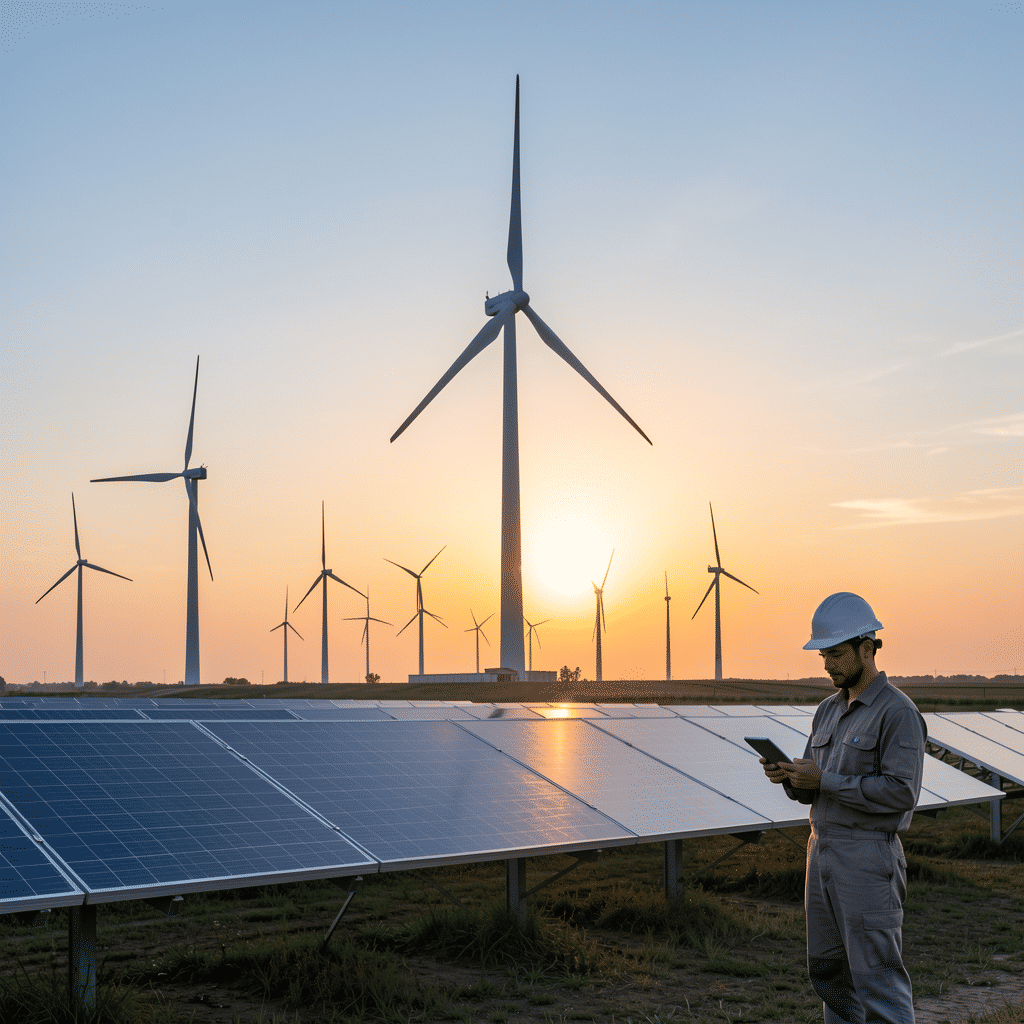
In an era where climate change and environmental sustainability are at the forefront of global conversations, the pursuit of renewable energy solutions has become more critical than ever. The relentless march towards a sustainable future is powered by innovative research, fresh perspectives, and groundbreaking technologies that promise to redefine how we harness energy from the natural world.
Renewable energy encompasses a variety of sources, including solar, wind, hydroelectric, biomass, and geothermal power. Each of these sources offers distinct advantages, and ongoing research is dedicated to overcoming existing barriers to their widespread adoption. Solar energy, for example, has seen dramatic improvements in efficiency and cost-effectiveness due to advancements in photovoltaic technology. Researchers are continually exploring new materials, such as perovskite solar cells, which offer the potential for even higher efficiency rates at a lower cost.
Wind energy has similarly experienced significant growth, with innovations focusing on enhancing turbine design and optimizing wind farm placement. By employing advanced computational models and simulations, researchers can now predict wind patterns with greater accuracy, allowing for better site selection and energy output maximization. Offshore wind farms, in particular, are garnering interest due to their immense potential for large-scale energy production, facilitated by advances in floating turbine technology.
Hydroelectric power remains a robust pillar of renewable energy, contributing significantly to global electricity supply. However, modern research is driving its evolution by finding ways to minimize ecological disruption. Small-scale hydroelectric systems and the improved design of fish-friendly turbines are examples of this research in action, offering more sustainable approaches to harnessing the power of flowing water.
Biomass and bioenergy present another promising frontier, with scientific efforts aimed at increasing yield and improving the efficiency of converting organic materials into usable energy. The focus here is on developing advanced bio-refineries and genetically engineered crops that optimize energy output while minimizing the impact on food supply and ecosystems.
Geothermal energy, though less visible than its solar or wind counterparts, offers a consistent and reliable energy source. Current research strives to expand its accessibility by tapping into low-temperature geothermal resources and enhancing the efficiency of direct-use geothermal systems. Innovative drilling technologies and better resource mapping are pivotal elements that researchers are refining to unlock this vast energy potential.
Crucial to the success of these renewable energy solutions is the integration of smart grid technologies and energy storage systems. Advanced battery technologies, such as lithium-ion and emerging solid-state batteries, play a key role in addressing the intermittency challenges of renewables, ensuring a stable and reliable energy supply. These storage solutions, coupled with smart grid innovations, allow for more flexible demand response and efficient distribution of energy across the network.
The call to lead the charge towards a sustainable future is being answered by collective global efforts. Governments, private enterprises, and academic institutions are pouring resources into renewable energy research and development. This collaboration is essential for overcoming the technical, economic, and policy challenges that remain.
As we advance, the vision of a sustainable future is not just hopeful optimism; it is an achievable reality. By investing in and adopting cutting-edge renewable energy solutions, we pave the way for cleaner, more resilient energy systems that can meet the demands of a growing global population while protecting our planet for future generations. Through continued innovation and commitment to these eco-friendly pathways, humanity holds the key to a vibrant, sustainable world.